Skip to main content

Natural Resources

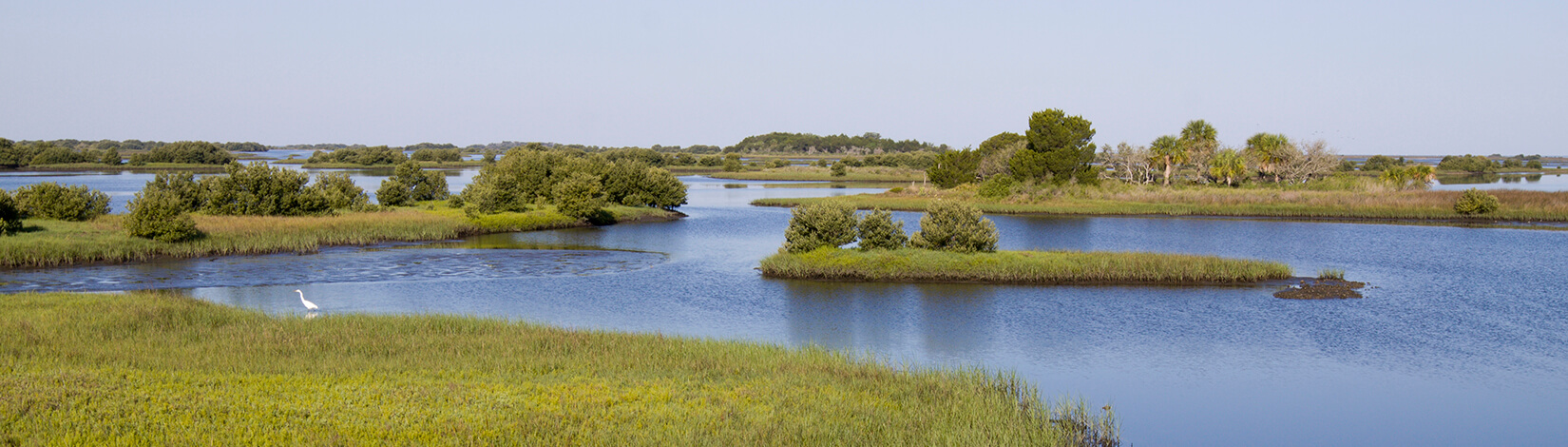
Florida is home to a wide variety of natural resources that contribute to its communities, industries and recreational activities. Well-known for its gorgeous beaches, Florida boasts the longest coastline in the contiguous United States, not to mention the largest number of freshwater springs. Tourists appreciate the sunny climate, and farmers also benefit from its abundant rainfall. UF/IFAS Extension offers a wealth of information on natural resources topics, including many plant and animal species, rivers and lakes, and good environmental stewardship.

Weekly “What is it?”: Ochre Sea Stars

Weekly “What is it?”: Ochre Sea Stars

Over the holidays, my family took a trip out to the west coast. As always...

Related Stories

A group of men and women stand in a row near a field in Zambia.

Remembering a Global Soil Scientist Whose Life’s Work Helped Feed the World

Dr. Pedro A. Sánchez, an internationally renowned soil scientist, visionary...

Related Stories

Gainesville’s 2026 Tree Quest!

Gainesville’s 2026 Tree Quest!

Put on your walking shoes and join us outside! To celebrate Florida Arbor Day...

Related Stories

Florida Master Naturalist Program

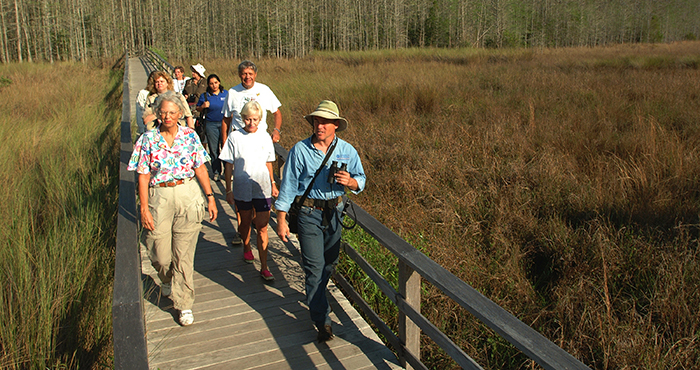
The FMNP is an adult education program available to all lay and professional audiences. Multiple course options are offered that teach about Florida's environments, plants and animals, conservation issues, and more.

Water Resources

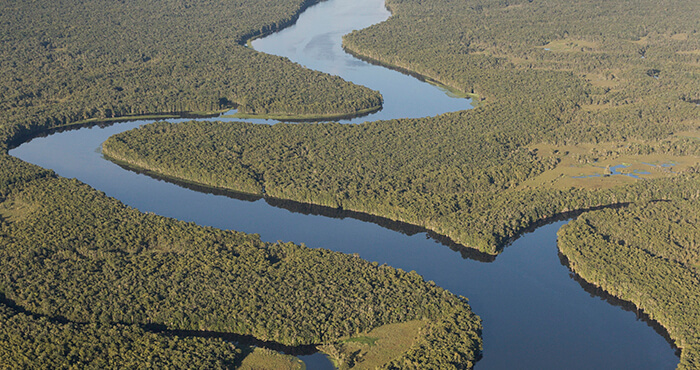
Sugar-sand beaches may be Florida’s most famous water resources, but the state also features a network of rivers, lakes and springs at its surface, as well as vast subterranean aquifers below. Learn about water and wise use of this vital resource with UF/IFAS Extension publications and websites.

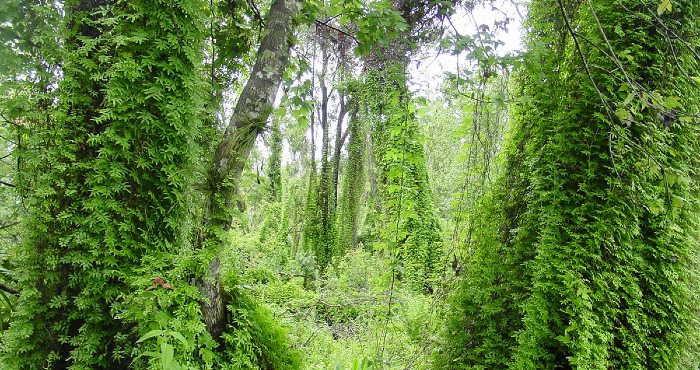
Old World Climbing Fern - Lygodium microphyllum

Invasive Species

Invasive species are a major concern in Florida and UF/IFAS is a leader in providing information on their identification and management. For information, resources, links, and experts on invasive species see UF/IFAS Invasive Species Council and Center for Aquatic and Invasive Plants websites.